
Between September and October of 2022, because the COVID pandemic put my contracts on hold for a few months, I set a personal challenge to create and share 100 agile-related sketches on Twitter. In October 2020, after posting an average of four drawings a day, I completed that challenge. Because I no longer use Twitter, I wanted to repost some of those images here on this platform.
The ideas for these sketches came from all the books I was reading, workshops I attended, and talks I watched. The sketches focused on categories including kanban, change, systems thinking, agile, strategy, organizational design, culture, coaching, product development, complexity, and leadership.
In total, I posted 100 different sketches, but many could have been better, so I will share some of my favourites. These 17 sketches have both a valuable lesson and a cohesive image to go along with it. Here they are, along with their original Twitter captions and some notes on my latest thinking as I look at these for the first time in over two years.
Kanban
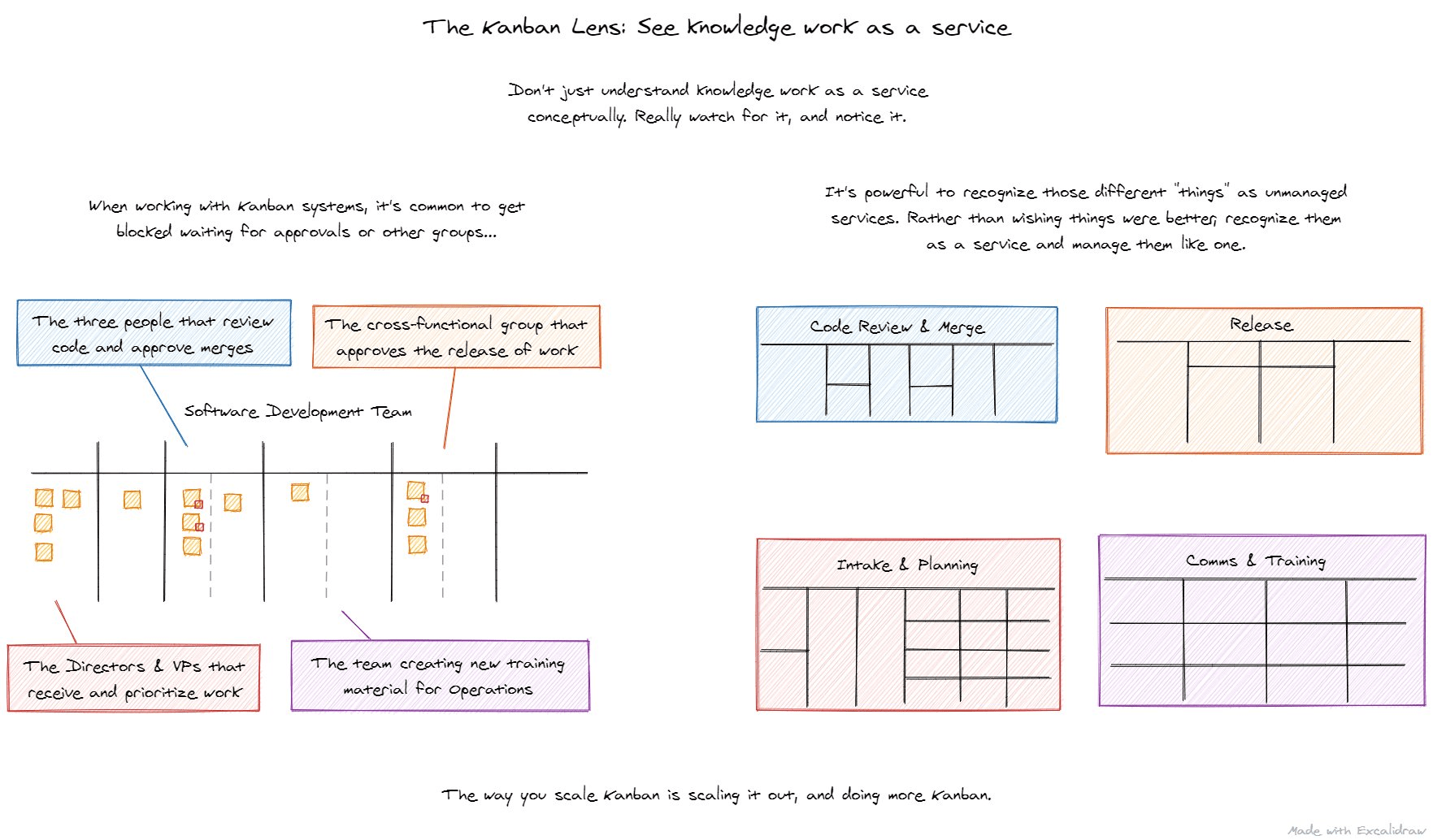
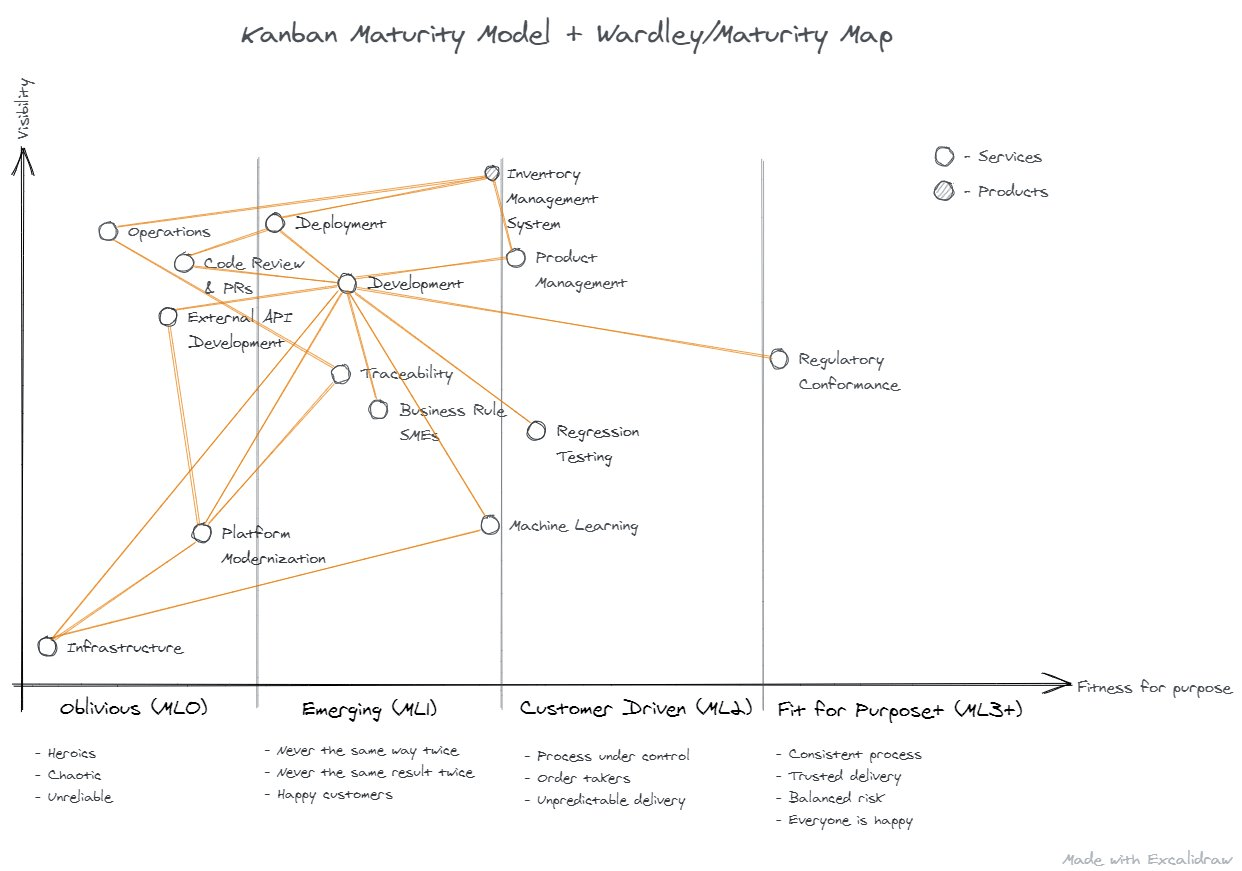
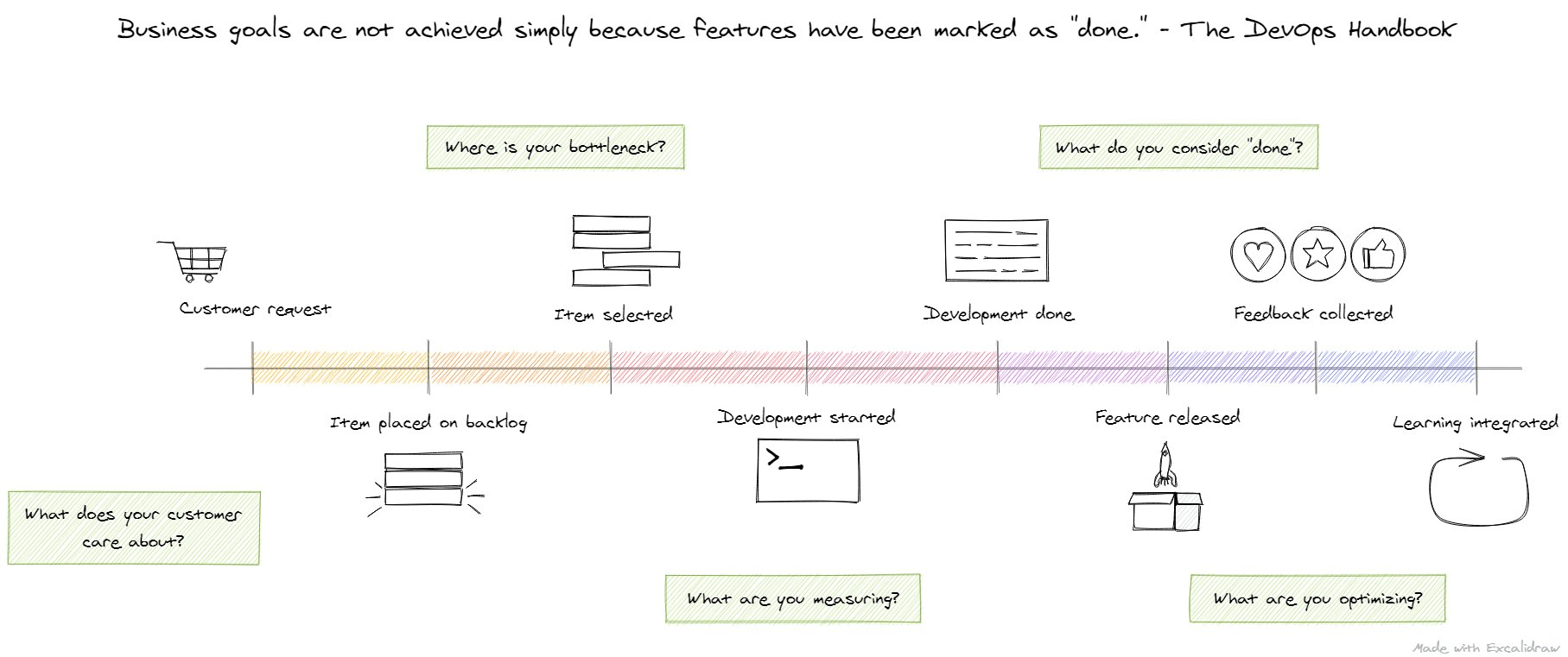
The idea that ties both of these Kanban-related sketches together is understanding the work teams do as services and mapping how those services connect in the bigger value stream.
There’s a well-known phrase in Agile, although I don’t know who to attribute it to: “The unit of value production is not the individual; it’s the team.” However, In all the organizations I work with, development teams are only one part of a bigger value stream. Worthwhile improvement can only happen if that bigger system is cared for.
Understanding how work flows through multiple teams is where systems like Flight Levels can help.
Coaching and Change
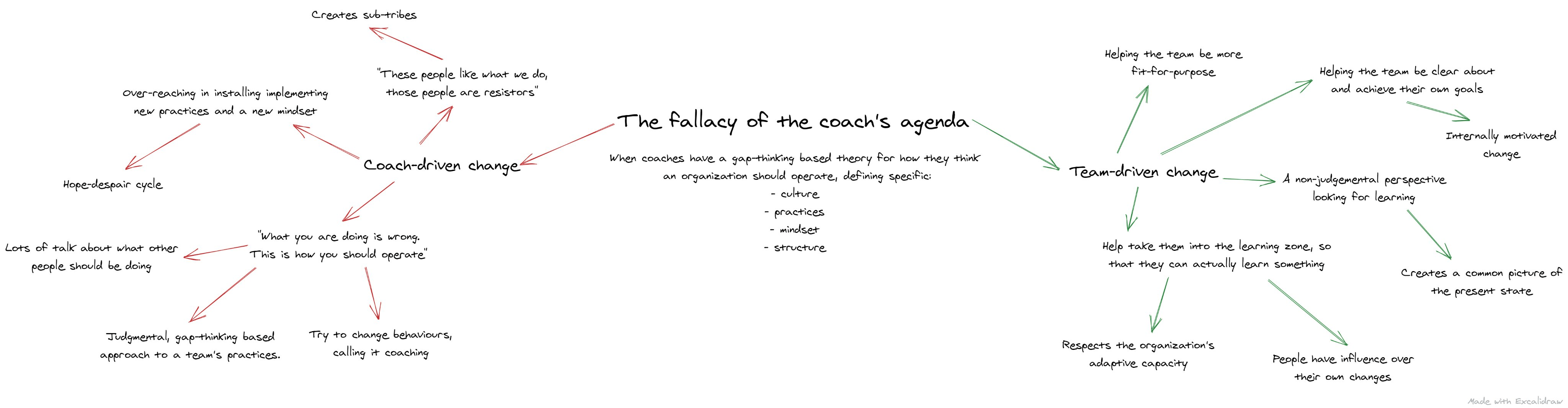
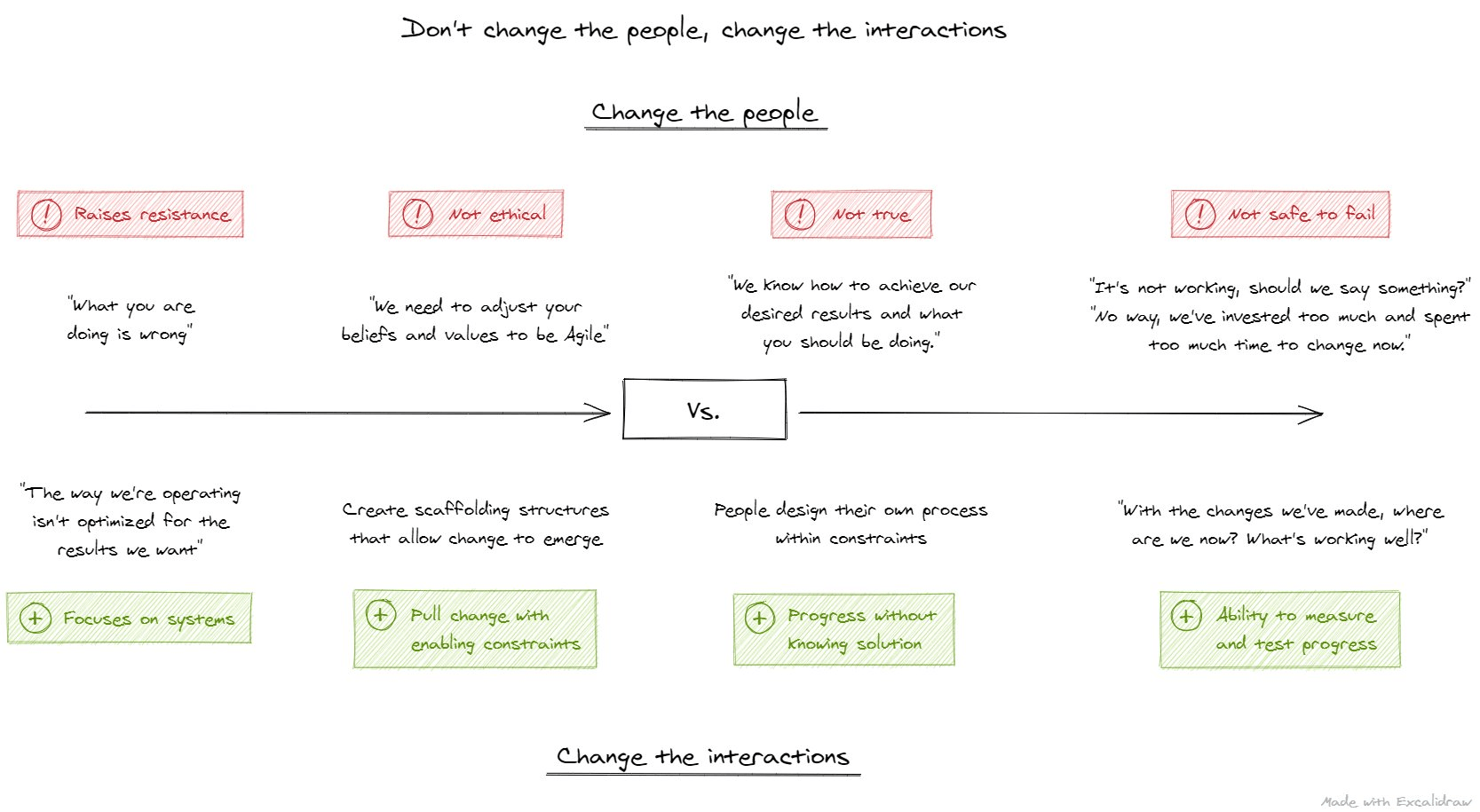
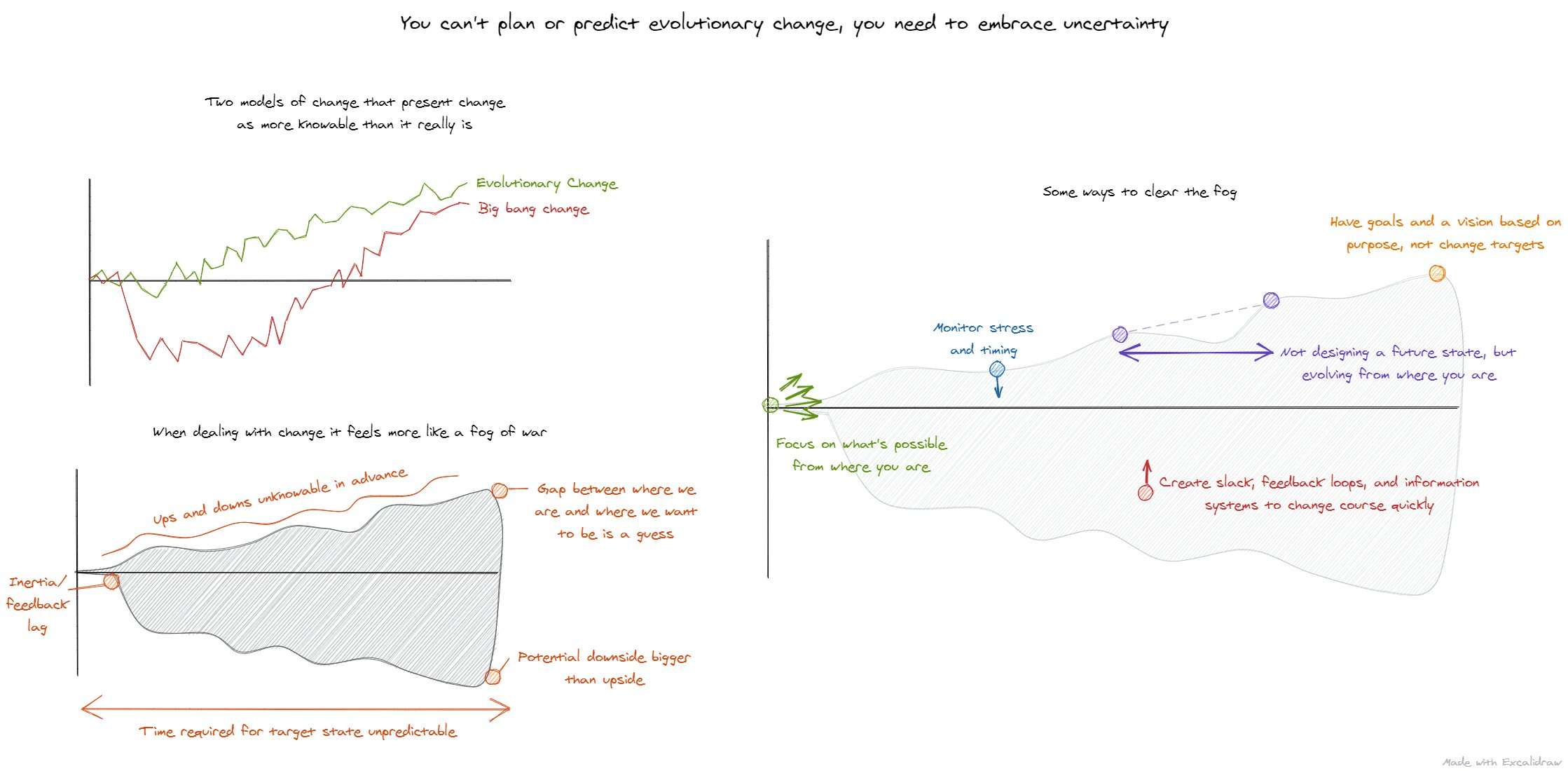
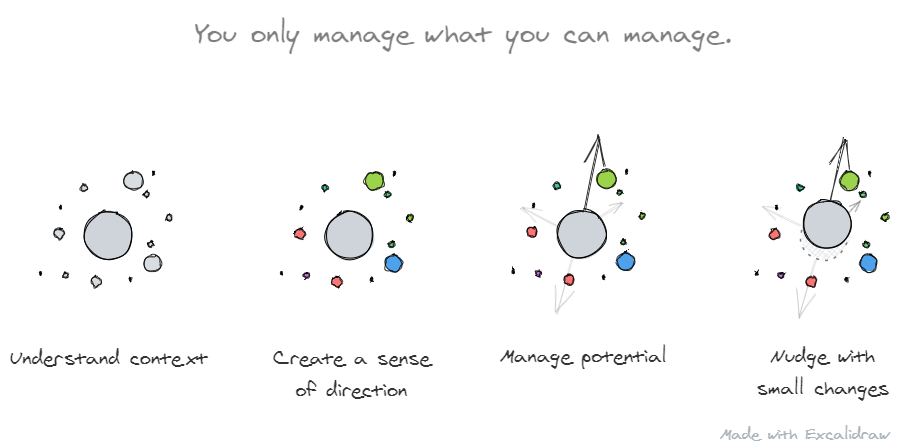
These sketches are my favourite. The key theme of lots of the sketches around coaching reflected the biggest problems I see in my day-to-day coaching work:
- Telling teams what they should do if they want to be agile
- Rating, judging or scoring individuals and focusing on fixing them
- Having an agenda for how a team should work
- Fighting through resistance and pushing change onto teams
Instead of those less efficient and more manipulative change techniques, these sketches promote:
- Being adaptable by monitoring change, creating slack, adding feedback loops and keeping changes small
- Changing the interactions of actors in a system rather than fixing the perceived problems with individuals
- Encouraging the desire to change by helping teams be more aware of their current situation, what’s important to them, and what’s holding them back
- The concept of nudging change, where you look for opportunities to make change where change is possible
Flow & Lean
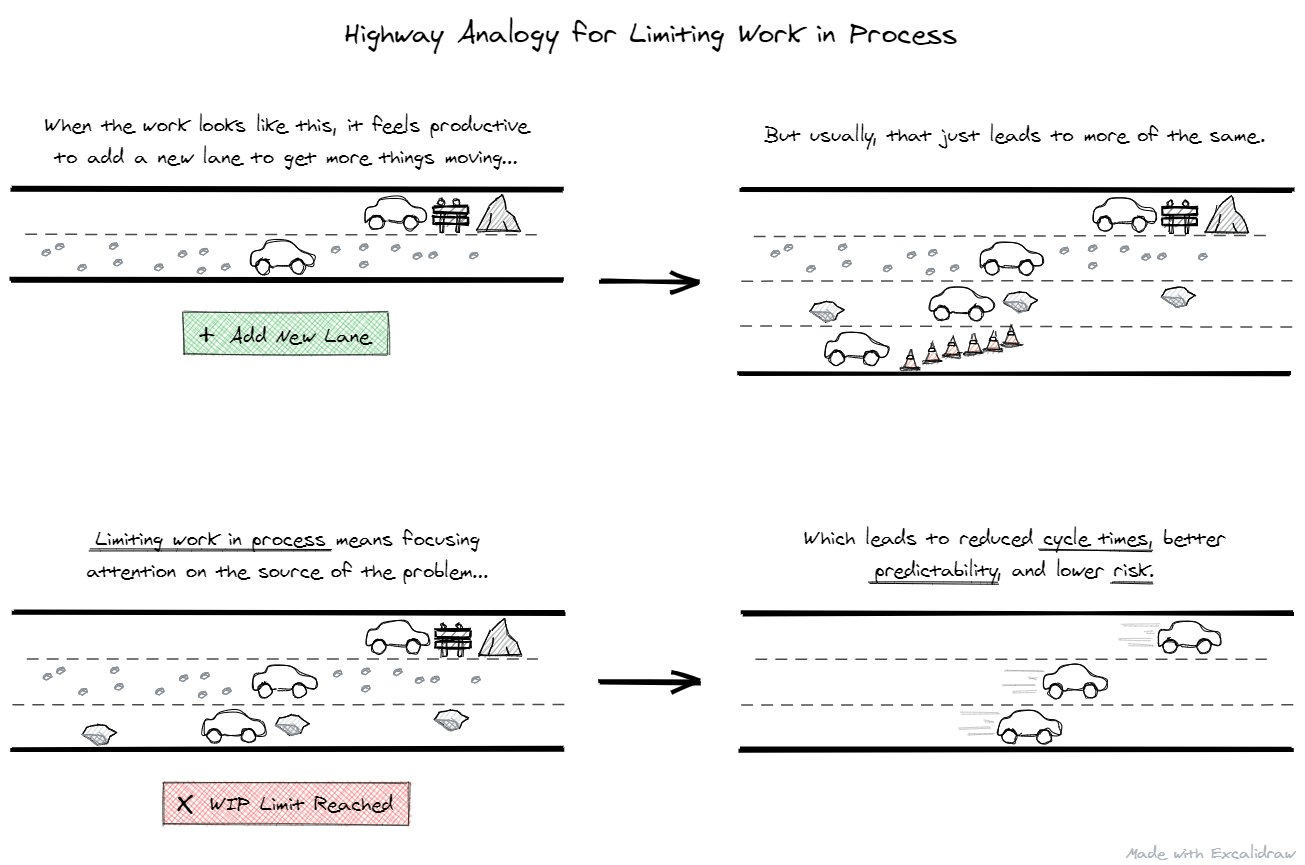
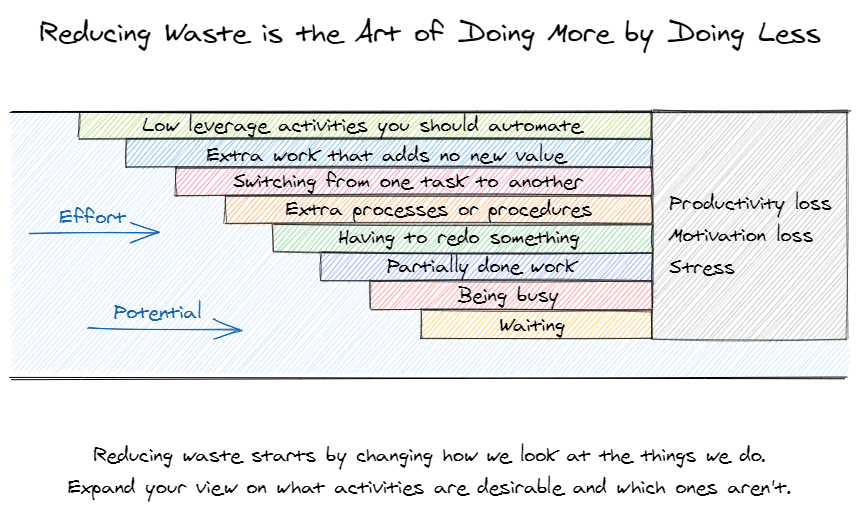
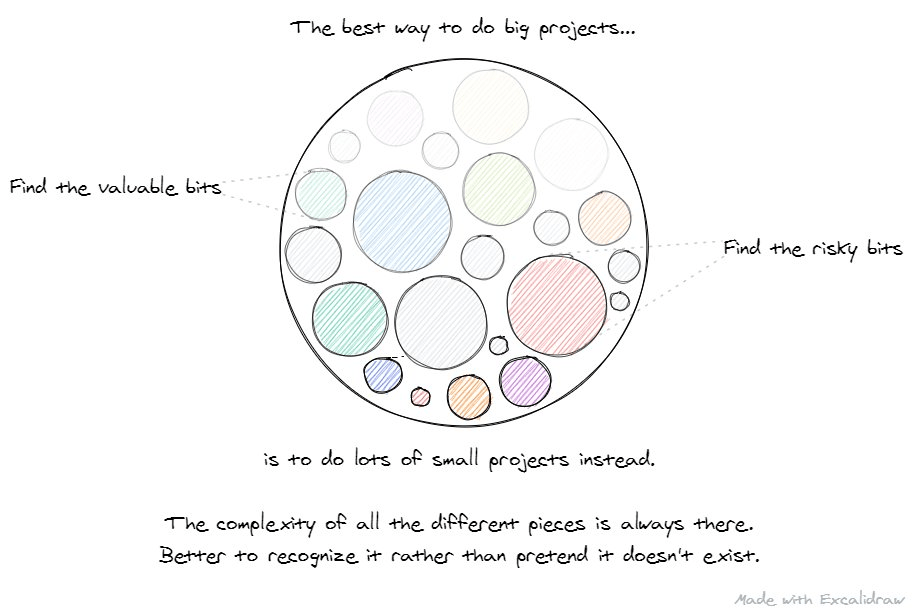
Cost of delay, work in progress, waste, and batch sizes are some of the most critical concepts for managers of agile teams to pick up. These sketches are my attempt to communicate those concepts in the hope that one of them gets one of these ideas to click for the first time for people.
All of these sketches relate to work experiences I’ve had in the past. I’ve worked with organizations that have struggled with these concepts. One company calculated the cost of delay for every new feature, big and small, and eventually abandoned the system. I worked with another company that deprioritized improvement work so their developers could have more time “hands-on keyboards” to meet a particular project deadline.
Have I seen organizations try to deliver year-long, fixed-date, fixed-scope projects with thousands of user stories and fail? A few.

Agile
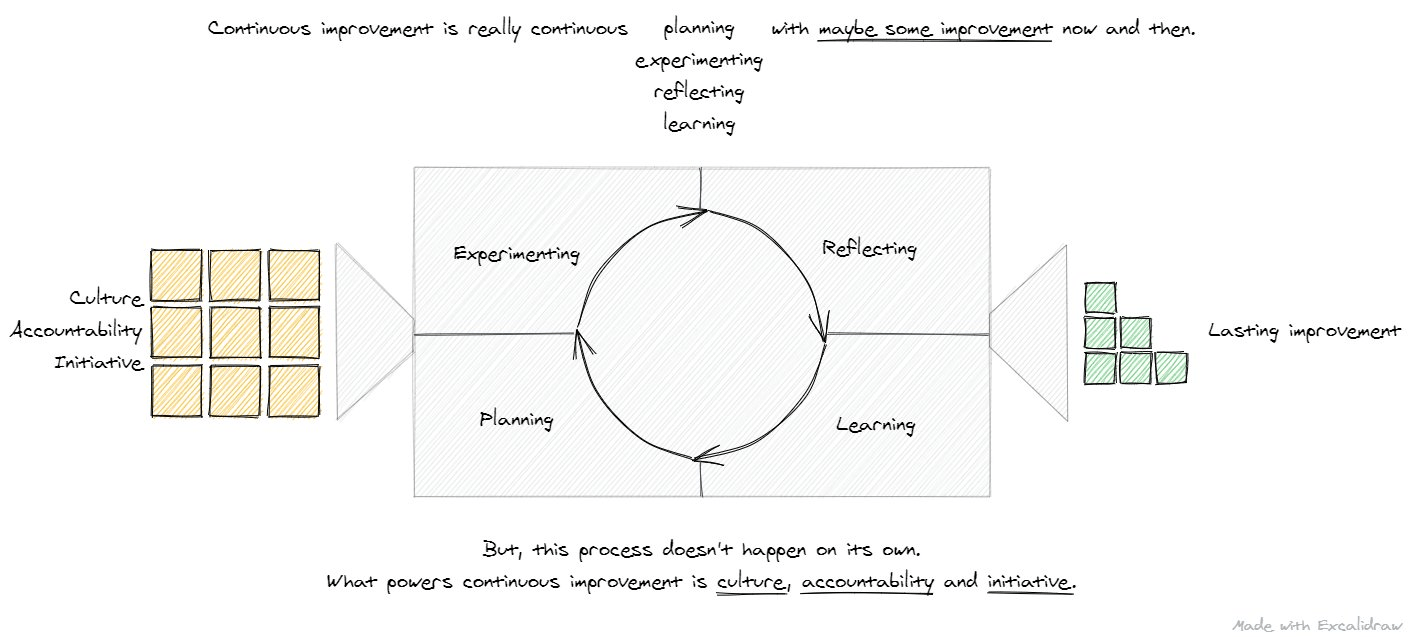
Continuous improvement includes many more activities than just improving. The goal is continuous improvement, but there’s more that’s required: Planning, experimenting, reflecting, and learning, each of which needs to be supported by the culture of your organization. How much actual improvement you’ll get is variable.
I’m a big proponent of focusing on getting just a little bit better but keeping the iterations fast. What can you do today and see the results of tomorrow? Aim to be 1% better than today.

Teams
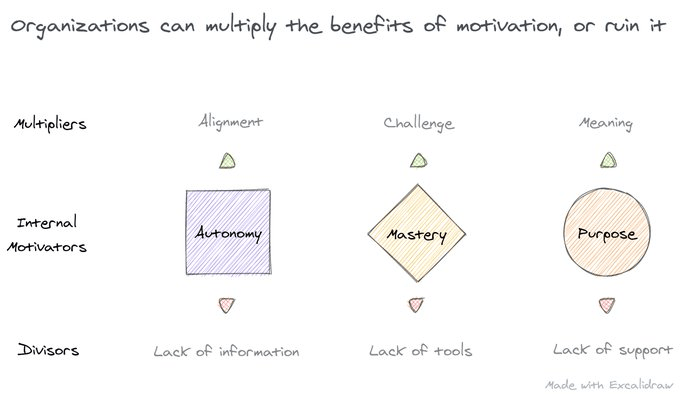
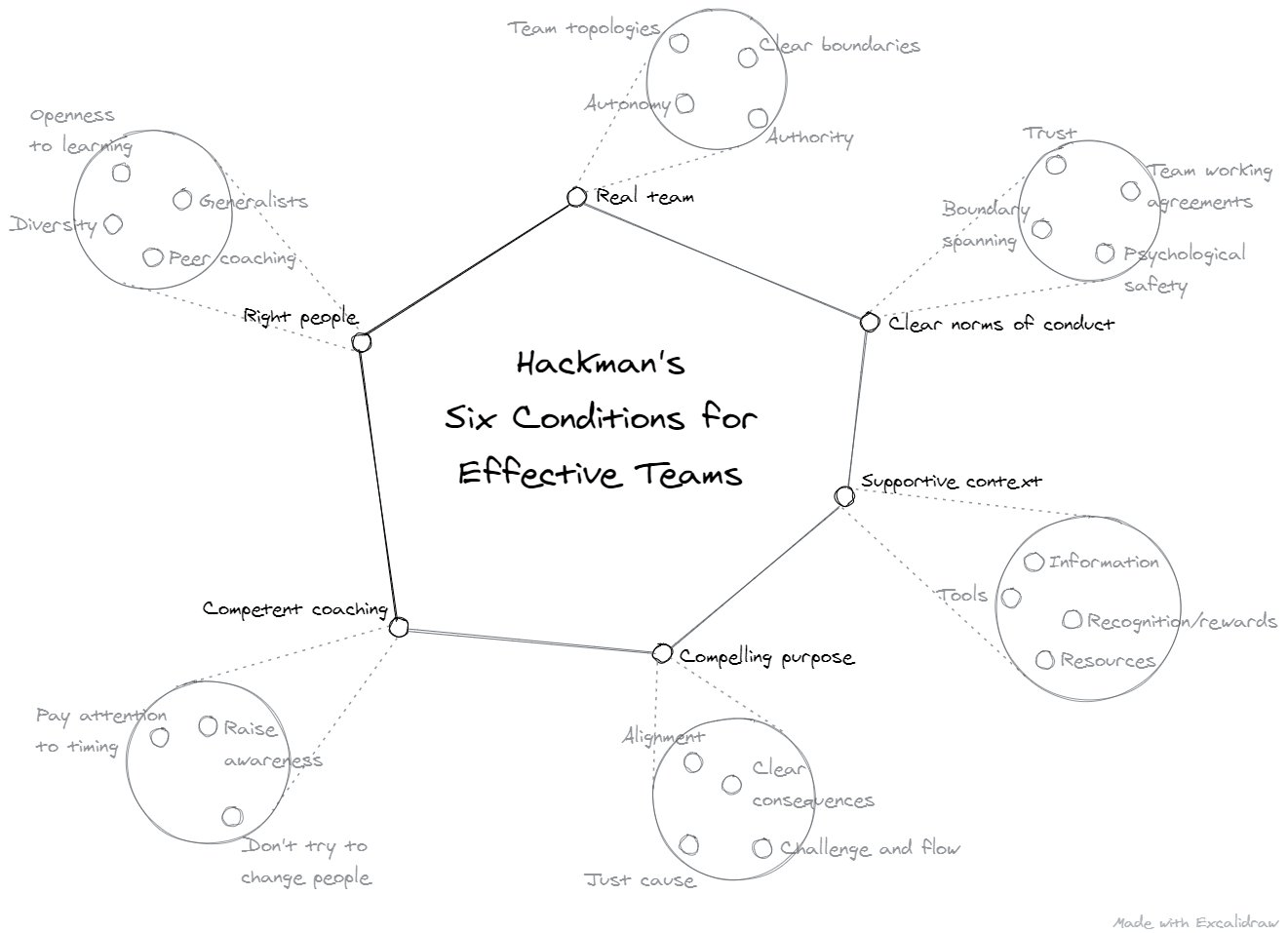
The key theme across both of the Teams sketches that continues to influence my work is “Conditions.” The conditions in which teams operate have a significant impact on their effectiveness. If you don’t pay attention to conditions, efforts to change will be crude and ineffective.
Research has shown that leader behavior makes the most constructive difference for teams that are reasonably well structured and supported in the first place. If a team is poorly composed, has an ambiguous or unimportant purpose, and operates in an organization that discourages rather than supports teamwork, there is no way that a leader’s hands-on interventions with that team can turn things around.
– J. Richard Hackman, Collaborative Intelligence
What J. Richard Hackman called “conditions” connects to the material about managing complex systems. In the literature on managing complex systems, they’re called “Enabling Constraints” or “Constructors.” These constructors provide coaches with a broader set of tools to effectively promote positive change.
Conclusion
You’ve just seen 17 of my favourite Agile-related sketches I created and shared on Twitter in 2022. I hope you enjoyed them and learned something new. You may not need to create 100 different drawings as I did, but if you are facilitating meetings, working with a development team or doing coaching, I encourage you to incorporate more visual frameworks and visual thinking in your work. They’re interesting, fun, and the clarity they can create can be game-changing.
 Flow Focused
Leave a comment